MLB Draft Combine Testing
Quick Answer
Since 2021, Major League Baseball has held a pre-draft combine for high school and college players, similar to the NFL and NHL combines. The event involves comprehensive medical and performance assessments to evaluate potential draft picks.
- 5 assessment categories including medical, vision, and physical testing
- 30-yard dash with timing gates every 5 yards
- 7 joint assessments in the Functional Movement Screen
History of the MLB Draft Combine
Since 2021, Major League Baseball has held a pre-draft combine for high school and college baseball players, following the model established by the NFL and NHL. The combine involves a comprehensive series of medical and performance assessments designed to evaluate potential baseball draft picks before teams make their selections.
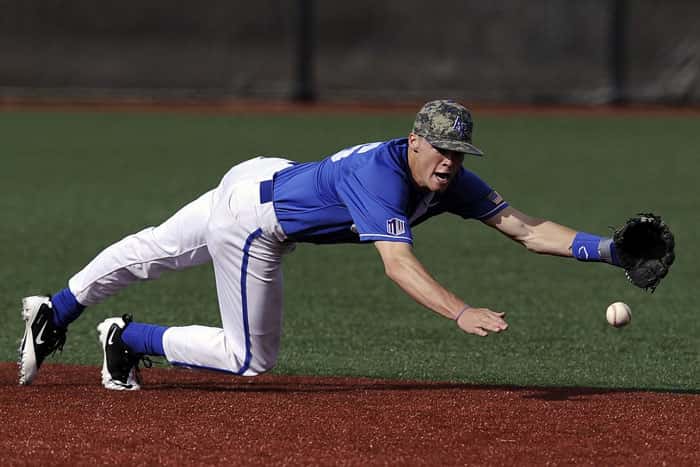
Baseball is physically demanding, requiring comprehensive fitness assessment
Plans to conduct a draft combine started in 2015 after a complicated situation unfolded with the No. 1 pick in 2014, Brady Aiken. Major League Baseball hoped that providing teams with access to amateur players' medical information would help avoid a repeat of that situation and give organizations more complete data when making draft decisions.
Combine Locations at a Glance
2021: USA Baseball National Training Complex, Cary, NC | 2022: Petco Park, San Diego | 2023-2024: Chase Field, Phoenix, AZ
The inaugural Draft Combine in 2021 was held at the USA Baseball National Training Complex in Cary, North Carolina. San Diego's Petco Park, home of the Padres, hosted the second event in June 2022. The 2023 and 2024 events were held at Chase Field in Downtown Phoenix, Arizona, establishing the event as a regular fixture in baseball's draft preparation process.
"The MLB Draft Combine represents a significant advancement in prospect evaluation, giving teams standardized medical and athletic data that was previously difficult to obtain consistently across all draft-eligible players."
Five Assessment Categories
There are five assessment categories at the combine that provide teams with comprehensive information about each prospect. While no complete description of the testing procedure exists publicly, information from various sources gives a clear picture of what is conducted at the event.
🎤 Club Interviews
Teams conduct face-to-face meetings with prospects to assess personality, baseball IQ, and character.
🏥 Medical Assessments
Comprehensive health evaluations including blood tests, MRI scans, and body composition analysis.
👁️ Vision Testing
Evaluation of visual acuity, depth perception, and tracking abilities critical for batting and fielding.
⚾ On-Field Assessment
Baseball-specific skills evaluation including swing analysis and defensive mechanics.
💪 Strength & Conditioning
Physical performance tests measuring speed, power, agility, and overall athletic ability.
Medical Assessments
The medical assessment portion of the MLB Draft Combine is one of the most important components, providing teams with critical health information about prospects. These evaluations help organizations make informed decisions and avoid situations like the 2014 Brady Aiken draft complication.
The sports science community recognizes the value of comprehensive medical screening for athlete evaluation. As Robert J. Wood, PhD and founder of Topend Sports with over 25 years of sports science research experience, notes: "Standardized medical assessments like those at the MLB Combine provide objective data that helps teams compare prospects fairly while identifying potential injury risks before they become costly problems."
Strength and Conditioning Physical Tests
The physical testing component of the MLB Draft Combine measures key athletic attributes that translate to baseball performance. These standardized tests allow scouts and front offices to objectively compare prospects across different programs and competition levels.
The "Man in the Box" Agility Test
One of the most unique assessments at the MLB Draft Combine is the agility and reaction test called "Man in the Box." In this test, players stand in the middle of four touch pads mounted on tripods that light up in random patterns.
How the Man in the Box Test Works
The test consists of two progressive levels that measure both visual processing and movement speed:
- Level 1 - Capture the Green Box: One of the four sensors displays a solid green box while the others remain blank. Players must quickly identify and touch the illuminated sensor.
- Level 2 - Capture the Green 3: The target sensor displays a green "3" while the other sensors show random colored numbers and shapes. This adds a cognitive processing component to the physical movement.
The aim is to quickly identify and touch ten green boxes or green threes as fast as possible, measuring both reaction time and movement efficiency.
Other Tests
In addition to the standardized physical tests, the combine also includes baseball-specific skill evaluations:
- Swing Analysis: Detailed biomechanical evaluation of batting mechanics using high-speed cameras and motion capture technology
Combine Results
Only the results of a few tests from each year's combine have been made publicly available online. Below are links to the available results from each year of the MLB Draft Combine:
Frequently Asked Questions
When did MLB start holding the Draft Combine?
The MLB Draft Combine began in 2021, with the inaugural event held at the USA Baseball National Training Complex in Cary, North Carolina. Planning for the combine started in 2015 following complications with the 2014 draft.
What tests are performed at the MLB Draft Combine?
The combine includes five main assessment categories: club interviews, medical assessments (blood tests, MRI, body measurements), vision testing, on-field assessment (swing analysis), and strength and conditioning physical tests including the 30-yard dash, vertical jump, broad jump, and the "Man in the Box" agility test.
Where is the MLB Draft Combine held?
The combine location has changed each year. The 2021 event was in Cary, North Carolina; 2022 was at Petco Park in San Diego; and the 2023 and 2024 events were held at Chase Field in Phoenix, Arizona.
What is the Man in the Box agility test?
The Man in the Box is a reaction and agility test where players stand among four touch pads on tripods. They must quickly identify and touch green targets that light up randomly, with two levels of difficulty testing both reaction time and cognitive processing speed.
Why was the MLB Draft Combine created?
The combine was created after a complicated situation with the 2014 No. 1 pick Brady Aiken. MLB wanted to provide teams with standardized access to amateur players' medical information to help avoid similar situations and improve draft decision-making.
Is the MLB Combine similar to the NFL Combine?
Yes, the MLB Draft Combine follows a similar model to the NFL and NHL combines, featuring medical evaluations, physical testing, and interviews. However, it includes baseball-specific assessments like swing analysis and focuses on different athletic attributes relevant to baseball performance.
What is the Functional Movement Screen used at the combine?
The Functional Movement Screen (FMS) involves seven specific joint assessments developed by Cook et al. in 1998. It identifies movement imbalances and asymmetries that could indicate injury risk, helping teams understand a prospect's physical readiness and durability potential.
References
- Cook, G., Burton, L., & Hoogenboom, B. (1998). "Functional Movement Screening: The Use of Fundamental Movements as an Assessment of Function." International Journal of Sports Physical Therapy.
- Major League Baseball. (2021). "MLB Draft Combine Inaugural Event." Official MLB Communications.
- USA Baseball. (2021). "National Training Complex Hosts First MLB Draft Combine." USA Baseball News.
- San Diego Padres. (2022). "Petco Park to Host 2022 MLB Draft Combine." Padres Media Relations.
- Arizona Diamondbacks. (2023). "Chase Field Selected as MLB Draft Combine Venue." D-backs Communications.
- National Strength and Conditioning Association. (2024). "Athletic Performance Testing Protocols for Baseball." NSCA Guidelines.
- American College of Sports Medicine. (2023). "Pre-Participation Physical Evaluation Guidelines for Athletes." ACSM Position Stand.
 Any comments, suggestions, or corrections? Please let us know.