


Using Radar to Measure Speed
Radars are devices used to detect the speed of objects, based on the principle of electromagnetic waves bouncing off the object it is pointed at. There are many ways that radar can be used in fitness testing, such as to measure the speed of a runner or throwing implement.
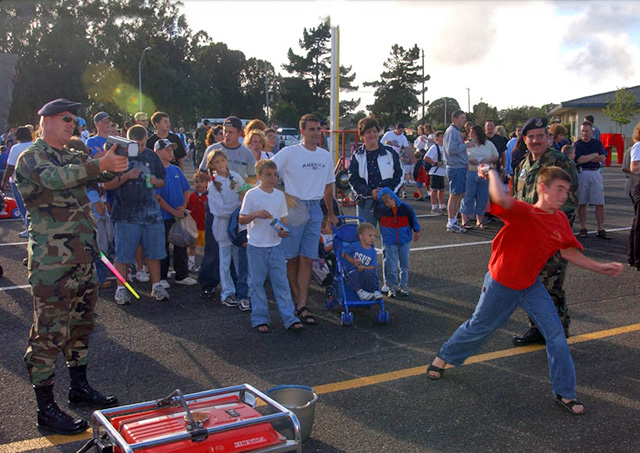 measuring speed of a baseball throw
purpose: to measure peak speed of an object
equipment required: Radar Device. These can range in price from a few hundred dollars to thousands.
pre-test: Explain the test procedures to the subject. Check and calibrate equipment. See more details of pre-tes procedures.
procedure: The radar can be set to record peak velocity, of either an object such as a ball, or the arm or bat, which is handy for many sports. The radar can be hand-held or one that can be placed on a tripod or on the ground. To get correct speed gun readings most radar guns will need to be placed directly in the line of travel of the object to be clocked, otherwise only a component of the true speed will be measured.
target population: radar can be used to measure running speed in sprinters, throwing speed in sports such as baseball, cricket, softball, and in hitting sports such as Tennis (serve speed) and golf (swing speed) and hockey. You may also be able to measure punching hand speed in boxing.
limitations: A radar gun does not return information regarding the object's position. Peak speed will only be measured if the radar is placed directly in line of the moving object.
accuracy: The resolution of each radar may vary, ranging from +/-0.1 mph to +/- 1.0 mph. The accuracy is difficult to determine, as it would require you to find a object of known speed to calibrate against.
range: The radar will vary in how far away you can use the instrument. Some will be able to measure a moving object from a mile away.
comments: Radar is an acronym for RAdio Detection and Ranging. It was invented by Bryce K. Brown of Decatur Electronics in March 1954.
Similar Tests
- Measuring Sprint Speed
- Softball Throw for Distance — The test involves throwing a softball for maximum distance
Related Pages
- About Radar Devices
- Radar Devices for sale.
- The radar iphone ap
- Using Radar for punching speed measurement
- World Records for Speed tests
 Any comments, suggestions, or corrections? Please let us know.
 Current Events