Drug Testing Calculator for Athletes
Quick Answer
This calculator helps athletes understand anti-doping compliance requirements including TUE applications, potential sanction periods, and testing procedures based on the World Anti-Doping Code.
- Check if you need a Therapeutic Use Exemption (TUE) for your medication
- Understand sanction periods for different anti-doping violations
- Based on WADA Code 2021 and current international standards
Drug or anti-doping testing is conducted in sports to ensure that athletes are not using performance enhancing drugs (PEDs) to gain an unfair advantage over their competitors. The World Anti-Doping Agency (WADA) or similar national bodies oversee many of the athlete testing around the world.
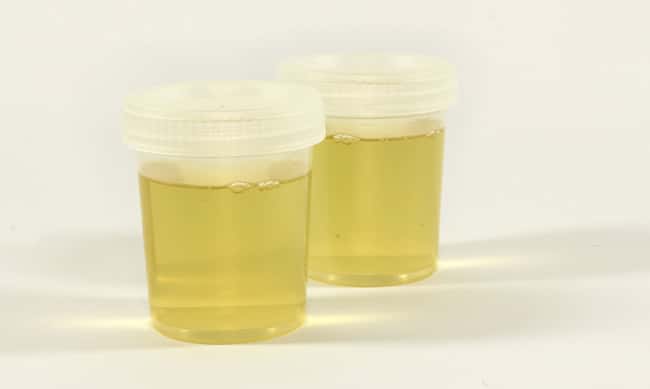 urine test collection
How Does Drug Testing Work?
Equipment required: Urine and blood and other collection supplies, appropriate analysis equipment - usually specific for the drugs to be tested. WADA-accredited laboratories use sophisticated mass spectrometry and chromatography equipment to detect prohibited substances at extremely low concentrations.
Procedure: Drug testing methods and procedures will vary depending on the drug to be tested and the equipment used. The most common drug testing procedure used is urine testing, though other methods such as saliva, blood, hair and breath analysis can be used for some drugs. For drugs to be detected in the urine they must be absorbed, circulated in the blood and deposited in the bladder, which can take only 30 minutes for alcohol and up to three hours for most other drugs. A positive test may be repeated or a second sample tested to confirm the results.
Interpretation: Many factors can influence the drug testing results. Some of the factors that influence test results are: the individual's drug absorption rate, metabolism rate, distribution in the body, excretion rate, drug quantity, drug quality and testing method employed.
Reliability: Drug testing is extremely accurate and reliable when all aspects of the testing process are done properly. The authority should follow strict collection procedures, follow proper testing procedures and they should be done with random notification.
Understanding the TUE Process
Athletes with legitimate medical conditions may need to use medications on the WADA Prohibited List. The Therapeutic Use Exemption (TUE) process allows athletes to receive necessary medical treatment while maintaining their eligibility to compete. To receive a TUE, athletes must demonstrate that:
- They have a documented medical condition requiring treatment
- The treatment will not provide performance enhancement beyond returning to normal health
- There are no reasonable permitted alternatives
- The need is not a consequence of prior prohibited substance use
Athletes should apply for a TUE before using any prohibited substance or method. In emergency situations, retroactive TUEs may be considered. Use our calculator above to assess whether you may need a TUE.
Anti-Doping Sanctions Explained
Sanctions for anti-doping rule violations vary based on the type of violation, the substance involved, and the athlete's degree of fault. The World Anti-Doping Code establishes standard sanction periods:
Standard Sanction Periods:
- 4 years: Non-specified substances or intentional doping
- 2 years: Specified substances with no intent to enhance performance
- 3 months to 1 month: Substances of Abuse (out-of-competition, unrelated to sport)
- 0 years: No Fault or Negligence proven (contamination cases)
Athletes can potentially reduce their sanction by establishing the source of contamination, providing substantial assistance in other doping cases, or demonstrating no significant fault or negligence. Use our sanction calculator above to understand potential consequences for different violation types.
History of Drug Testing in Sports
Drug testing for athletes at the Olympic Games was first introduced in 1967. The first list of banned substances produced by the IOC included narcotic analgesics and stimulants, which comprised sympathomimetic amines, psychomotor stimulants and miscellaneous central nervous system stimulants. Anabolic steroids were not included (although suspected of being used) as accurate testing methods had not been developed. Anabolic steroids were added to the banned substances list in 1975.
The World Anti-Doping Agency (WADA) was established in 1999 to coordinate global anti-doping efforts. Today, WADA maintains the Prohibited List (updated annually), oversees the World Anti-Doping Code, and accredits laboratories worldwide. Key milestones include:
- 1966: FIFA and UCI join anti-doping efforts
- 1967: First Olympic drug tests
- 1975: Anabolic steroids added to banned list
- 1976: First Olympics with steroid testing (Montreal)
- 1999: WADA established
- 2003: First World Anti-Doping Code adopted
- 2009: Athlete Biological Passport introduced
- 2021: Current WADA Code version in effect
Frequently Asked Questions
How long are drugs detectable in drug tests?
Detection windows vary significantly by substance and testing method. Urine tests can detect alcohol within 30 minutes, stimulants for 2-4 days, and anabolic steroids for weeks to months. Blood tests may have shorter detection windows but can identify substances that clear urine quickly. The Athlete Biological Passport can detect abnormalities in blood parameters for extended periods.
What happens if I test positive for a banned substance?
You will be notified of an Adverse Analytical Finding (AAF) and given the opportunity to request analysis of your B-sample. If confirmed, results management begins which may include provisional suspension, the opportunity to explain, and potentially a hearing. Sanctions can range from warnings to lifetime bans depending on the substance and circumstances.
Can I be tested when I'm not competing?
Yes, out-of-competition testing is a crucial component of anti-doping programs. Athletes in Registered Testing Pools must provide whereabouts information and can be tested anytime, anywhere with no advance notice. Many substances are prohibited at all times, both in and out of competition.
Are dietary supplements safe to use?
Dietary supplements are high-risk for athletes because they are not regulated as strictly as medications and may contain undeclared prohibited substances. Studies have found contamination rates of 10-25% in supplements. Use only supplements certified by third-party testing programs like NSF Certified for Sport, Informed Sport, or BSCG.
How do I apply for a Therapeutic Use Exemption?
Contact your National Anti-Doping Organization (NADO) or International Federation (IF) to obtain the TUE application form. You'll need documented medical evidence of your condition and details about the proposed treatment. Applications should be submitted at least 30 days before you need to use the medication. Use our TUE Assessment tool above to determine if you likely need one.
What is the Athlete Biological Passport?
The Athlete Biological Passport (ABP) monitors selected biological variables over time to detect doping indirectly. Rather than detecting specific substances, it identifies abnormal variations in blood or steroid parameters that suggest doping. This approach can detect blood doping (EPO, transfusions) and steroid use even when direct detection is impossible.
What are "Substances of Abuse" in anti-doping?
Substances of Abuse are drugs frequently misused in society outside of sport, including cocaine, heroin, MDMA/ecstasy, and THC (marijuana). If an athlete can prove use was out-of-competition and unrelated to sport performance, the sanction is reduced to 3 months (or 1 month with completion of an approved treatment program). These substances remain prohibited in-competition.
⚠️ Important Disclaimer
This calculator provides educational information only and is not legal advice. Anti-doping rules are complex and vary by sport and organization. For specific guidance:
- Check medication status at GlobalDRO.com
- Contact your National Anti-Doping Organization (NADO)
- Consult with your International Federation (IF)
- Speak with a qualified sports medicine professional
Based on WADA Code 2021 and 2025 Prohibited List.
References
- World Anti-Doping Agency. (2021). "World Anti-Doping Code." WADA.
- World Anti-Doping Agency. (2025). "The 2025 Prohibited List." WADA International Standards.
- U.S. Anti-Doping Agency. (2025). "Therapeutic Use Exemptions." USADA.
- UK Anti-Doping. (2024). "Introduction to Testing." UKAD.
- Dvorak, J., et al. (2014). "Time for change: a roadmap to guide the implementation of the World Anti-Doping Code 2015." British Journal of Sports Medicine, 48(10), 801-806.
- de Hon, O., Kuipers, H., & van Bottenburg, M. (2015). "Prevalence of doping use in elite sports: a review of numbers and methods." Sports Medicine, 45, 57-69.
- Lauritzen, F., & Holden, G. (2023). "Intelligence-based doping control planning improves testing effectiveness." Drug Testing and Analysis, 15, 506-515.
- Canadian Centre for Ethics in Sport. (2024). "Therapeutic Use Exemptions." CCES.
Related Pages
 Any comments, suggestions, or corrections? Please let us know.